


 Posts
Posts


Four weeks in the life of a recording-obsessed freelance ecologist
Posted by Graeme Lyons , Thursday, 27 April 2023 15:43

Less than four weeks into the field season already and I have completed my work for April. I am over 20% into the year's field work, which just seems weird! I have lost over 4 kg, some 5% of my body weight. Walked over 120 miles carrying around 15 kg of gear. But most importantly, I have made shed loads of records and found some really awesome stuff. 6279 records to be precise. Of 1016 species, including 612 invertebrates, 203 of these are spiders! I do tend to skim through the specimen jars to look at the spiders early on, meaning that most of the other stuff will wait until the winter (so most of the invertebrate orders below are just field dets at this stage). Here is what I have recorded and where, so far.


And now for some highlights. On my first day out at Iping Common, I found two Nationally Rare spiders new to the site, new hectads for them too and the first time I have seen either in Sussex, I was pretty stoked with that! At the top of this blog is Zora silvestris, Identifiable by the spines on the leg even as an immature. This Critically Rare spider is only known from six post-1992 hectads, now it's seven! Nearby was a healthy population of Lathys heterophthalma (below), a Vulnerable species known only from four hectads post-1992, now five!
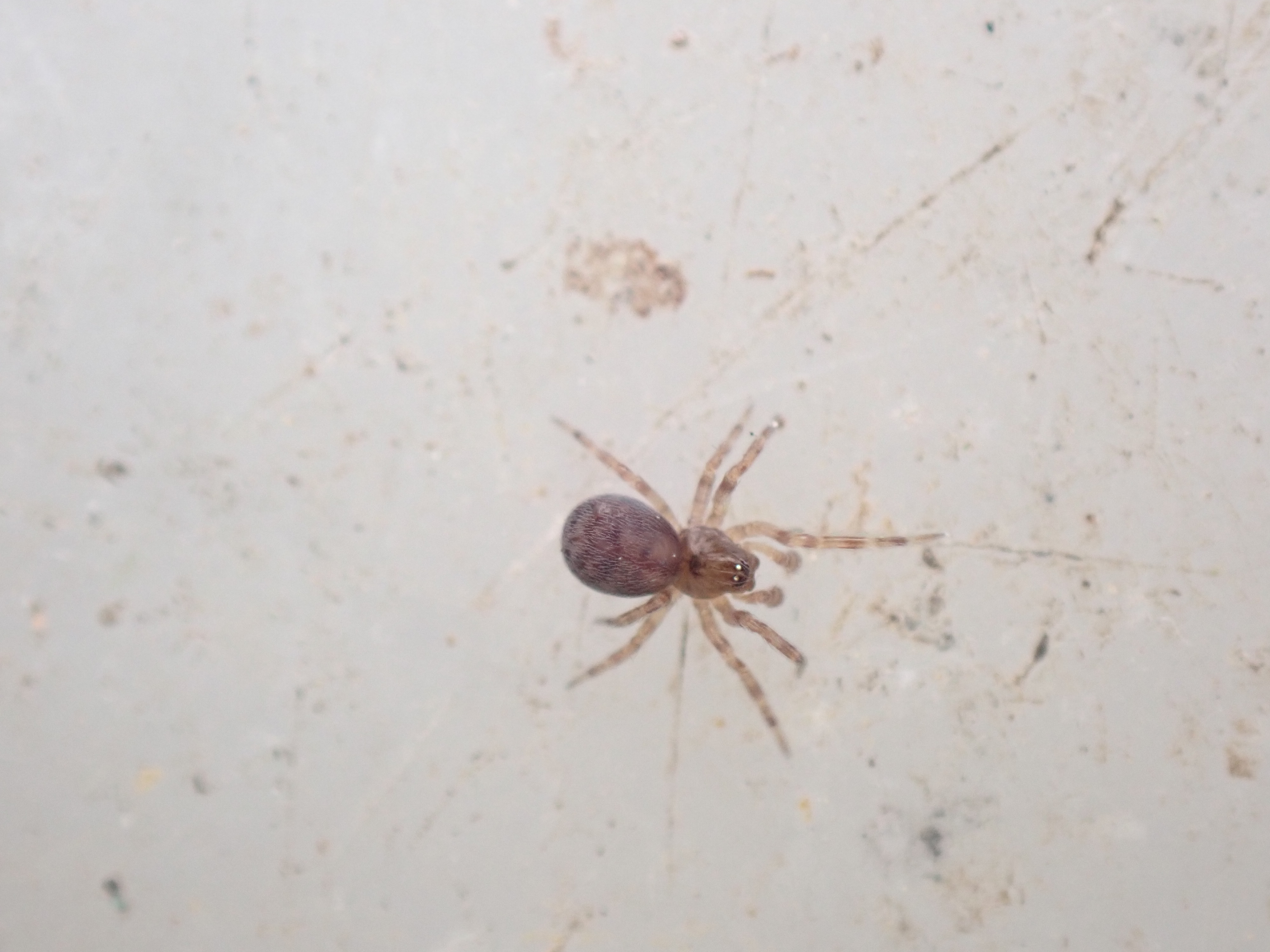
Over to Old Lodge in East Sussex. Only the 2nd ever record in Sussex for Theonoe minutissima. A midget among the spiders. A much commoner species in the north and west. I sieved it from Sphagnum where it has surely been here for years, undetected. Amazingly it's new to Ashdown Forest.


I bumped into some Golden-eye Lichen on a farm survey in Brighton.

Only the second time I have seen the ground bug Emblethis denticollis. This was down on the shingle restoration at Black Rock in Brighton.


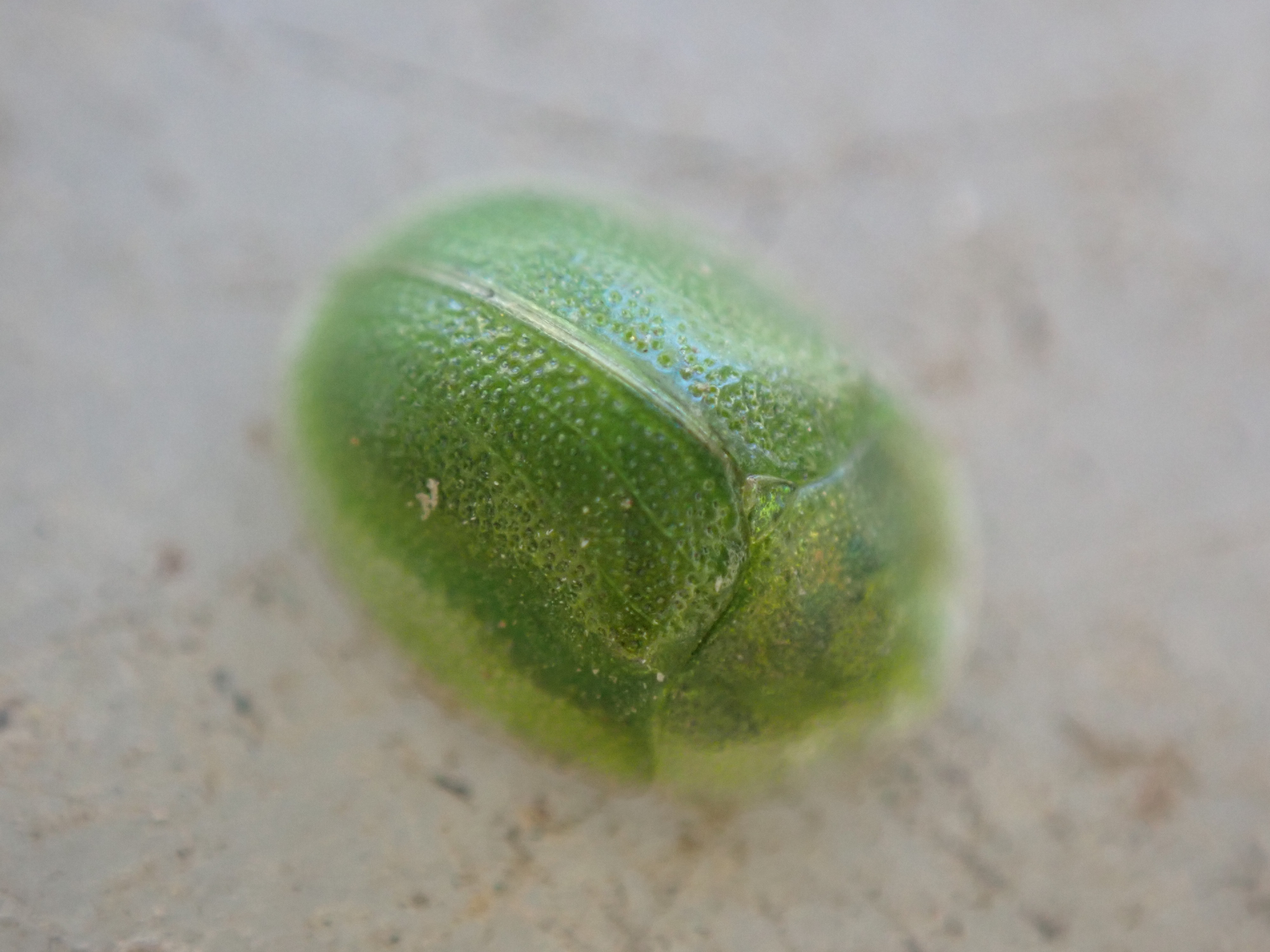

I have been enjoying the Sussex woodland this spring, with lots of AWIs in flower, such as this Goldilocks Buttercup. Photo-bombed by a Wood Anemone!

Finding a new site for Mossy Stonecrop in West Sussex on a lovely sandy farm was a real highlight. This is my first Sussex record of this species.

And that good old rule, if you find one good thing, you'll probably find more stood up yet again. My first Sussex records of Hoary Cinquefoil.

Over to a farm and woodland in East Sussex. The world's worst photo of an Ash-black Slug.


Found a flush in an unassuming field and it's full of Bog Pondweed and Lesser Spearwort. I will be back here.


And then down to Devon where I have never seen so many Violet Oil-beetles.

I was amazed when I checked the one bee I had collected in a separate tube to the others to see that it had a triangulin attached to it! It was a male Nomada goodeniana, a parasite on a parasite.

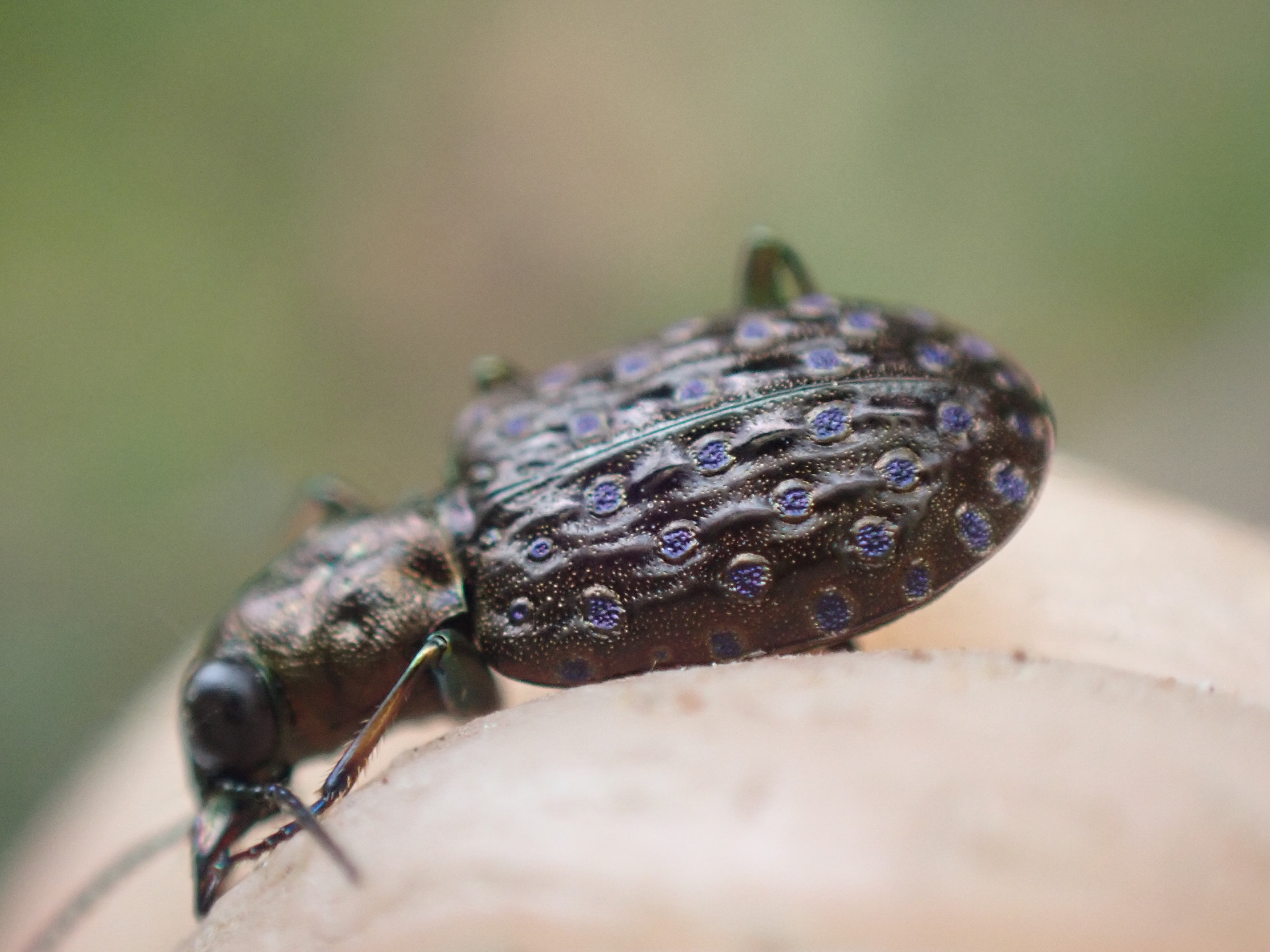
And it's been a while since I've seen Elaphrus cupreus, what a beetle up close!
It's been a great four weeks. I really wanted to write this blog to show people just how important a month April is, even if it's not that sunny. I always like to get a round of monitoring in before leaf-burst, chiefly armed with the suction sampler (and three batteries) as this often picks up species that are being missed if you don't start until May. I love April, it's by far my favourite month for surveying. No hay fever, no rank vegetation, very little heat and loads of good records! Now, it's City Nature Challenge time and I have big plans this year...I am aiming for 4000 records in four days. Gulp.
Posted in
aculeates,
Bedfordshire,
beetles,
bugs,
Devon,
lichen,
molluscs,
pan-species listing,
plants,
recording,
slugs,
spiders
|
0
comments


