


 Posts
Posts


The top ten natural history highlights of 2014
Posted by Graeme Lyons , Tuesday, 30 December 2014 17:59
2014 was a great year of natural history for me. My database now stands at nearly 26,000 records, over 5000 added in 2014 so far. So here is my annual top ten highlights of the year in reverse order.
10) Spending some time in sand dunes
There isn't much good sand dune habitat in Sussex, so I had to go further afield.

.JPG)


Here is a selection being from top to bottom: Dalman's Leatherbug, Dune Waxcap, Marpissa nivoyi, Fallen's Leatherbug and Marram Grass Chelifer.
9) Flatropers Wood invertebrate survey


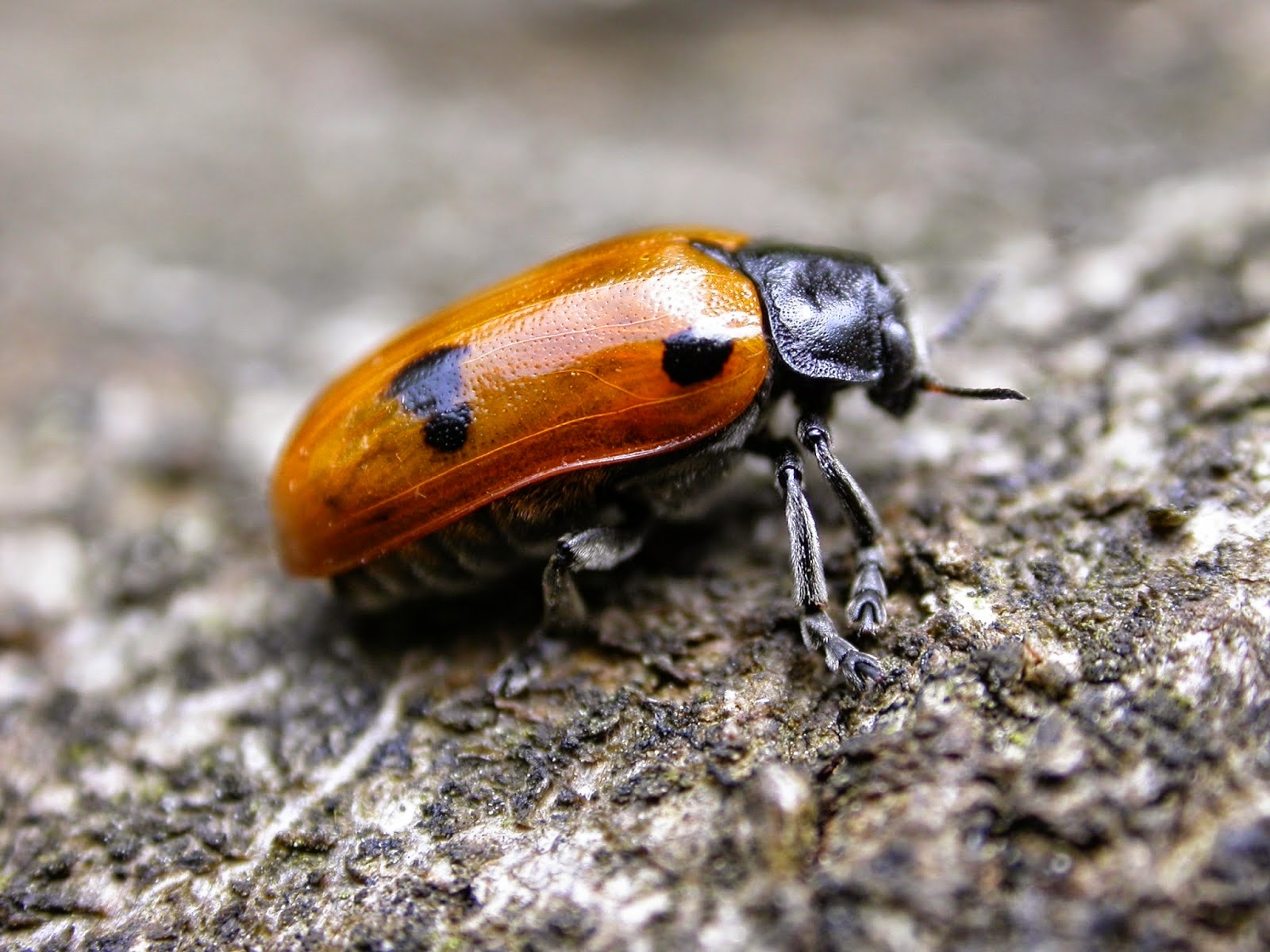
Flatropers isn't even an SNCI and it has shed loads of rare invertebrates. Here we have Xysticus bifasciatus and the two myrmecophiles: the Scarce Seven-spot Ladybird and Clytra quadripunctatus.
8) New Forest antics

I love finding lots of new species in a very small area. Micro-botanising overload.
7) If Darth Maul were a beetle...


Pilemostoma fastuosa. A very cool tortoise beetle from Knepp.
6) Gower power

Rock pooling on the Worm's Head produced this Green Sea Urchin among many other things.
5) Lappet

Always wanted to see one and one finally turned up in the moth trap.
4) Jurassic Carp

A trip with Seth and Tony to Kimmeridge Bay produced my first Cornish Sucker!
3) Burton Pond invertebrate survey


Here we have Xysticus audax, Alder Leaf Beetle (new to Sussex and found by Adrian Holloway) and the beetle Agapanthia villosoviridescens.
2) Creating the PSL website and article in British Wildlife

It has been a great year for pan-species listing and I'm pleased to have been able to contribute so much to the movement.
1) My first freelance invertebrate surveys struck gold!


Finding only the 7th known site for the rare Pondweed Leafhopper and also plenty of 13-spot Ladybirds was my highlight of the year. This cracking little private nature reserve just is a great example of what can be done to benefit wildlife.
So hopefully I will get back in the saddle in the new year but for the time being I'm still rather estranged from it. It's reminded me how much I love wildlife though writing this post so who knows.
So hopefully I will get back in the saddle in the new year but for the time being I'm still rather estranged from it. It's reminded me how much I love wildlife though writing this post so who knows.
Posted in
beetles,
bugs,
Burton Mill Pond,
coastal,
fish,
Flatropers,
fungi,
hoppers,
Kimmeridge Bay,
Knepp,
listing,
moths,
New Forest,
Pevensey Levels,
plants,
recording,
spiders,
urchins,
Woods Mill
|
7
comments


