Although I just got back from an epic weekend in the Lake District (and I really should be writing a long post about that first), I did also just pop down to Devon to see this utterly wonderful creature - and I haven't got the patience to wait. This is the Fire-tipped Sea Slug Hermaea variopicta. A healthy population of these have been found by Jake Wood at Wembury Point and he was kind enough to show me some of them. Yet the tide was held back by low pressure and strong winds, and rain overnight made the water very murky. Nevertheless, Jake found two animals on their foodplant, the red seaweed Halurus flosculosus. I was surprised at how big this animal was, in fact we measured it at 3 cm! Jake did say it was likely the biggest one he had seen. Here are my best shots in rather poor light and murky water but you get the idea...
Look at that large, purple-rimmed white spot on the back! I had not noticed that in other pictures online.
That subtle flowing angle on the underside of each tentacle is a work of art! Whoever designed this thing needs an award. Even the underside is amazing!
I think this sea slug has the most beautiful head of anything I have ever seen! It really is quite something. Absolutely blown away by this encounter.
It wasn't the only thing I saw though, I found my first UK Spiny Squat Lobster Galathaea strigosa. The immatures of these things are really bright - and fast. I saw one just once two years ago on Jersey but never managed to even get a photo of it, I was gutted that I lost it. So I was really pleased with a bit of team work we managed to catch this one and get some good shots. What a beast!
Trumpet Anemone Aiptasia couchii was also a UK tick for me, something I have only seen on Jersey before.
Cirl Buntings were everywhere! What an amazing place. A huge thanks to Jake and it was great to briefly see John Walters again too. Mad to think that the 26 Spurilla neapolitana are old news now! Bonkers for something that only turned up in September 2025.
A quick update on the '6000 Species in 2026 challenge'. I am on 5,447 species for the year! That's 90.8%. I reckon I am gonna get there now, maybe not before New Year but I likely have enough material to get over the line. This was my 137th mollusc of the year, my target of 150 is unlikely to be reached but I am smashing it with other taxa such as moths (923), beetles (852) and arachnids (446).
Lord of the Rings fans might have got the reference in the blog title, Aragorn's sword is known as Andúril - the Flame of the West. That trip to the Lakes was a little too Middle Earthy at times. I will try and get a post out about that soon.

Less than four weeks into the field season already and I have completed my work for April. I am over 20% into the year's field work, which just seems weird! I have lost over 4 kg, some 5% of my body weight. Walked over 120 miles carrying around 15 kg of gear. But most importantly, I have made shed loads of records and found some really awesome stuff. 6279 records to be precise. Of 1016 species, including 612 invertebrates, 203 of these are spiders! I do tend to skim through the specimen jars to look at the spiders early on, meaning that most of the other stuff will wait until the winter (so most of the invertebrate orders below are just field dets at this stage). Here is what I have recorded and where, so far.

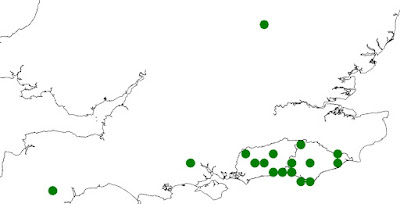
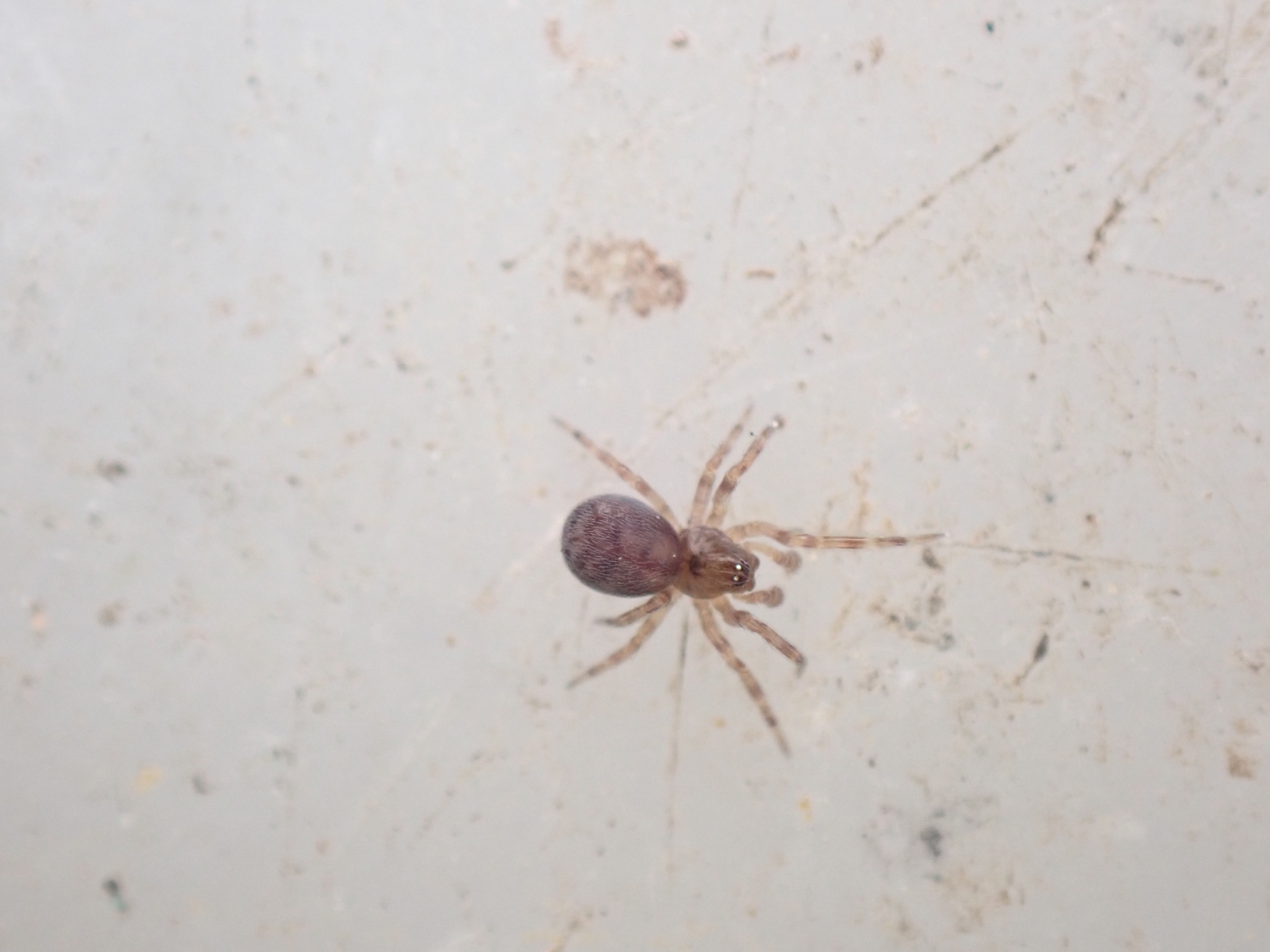
And now for some highlights. On my first day out at Iping Common, I found two Nationally Rare spiders new to the site, new hectads for them too and the first time I have seen either in Sussex, I was pretty stoked with that! At the top of this blog is Zora silvestris, Identifiable by the spines on the leg even as an immature. This Critically Rare spider is only known from six post-1992 hectads, now it's seven! Nearby was a healthy population of Lathys heterophthalma (below), a Vulnerable species known only from four hectads post-1992, now five!
Over to Old Lodge in East Sussex. Only the 2nd ever record in Sussex for Theonoe minutissima. A midget among the spiders. A much commoner species in the north and west. I sieved it from Sphagnum where it has surely been here for years, undetected. Amazingly it's new to Ashdown Forest.
I had a new hectad for Hypomma fulva in East Sussex and had it new to West Sussex near Amberley.
I bumped into some Golden-eye Lichen on a farm survey in Brighton.
Only the second time I have seen the ground bug Emblethis denticollis. This was down on the shingle restoration at Black Rock in Brighton.
To Bedfordshire and a voluntary job for BBOWT at Strawberry Hill. Only the 2nd time I have seen Liocranoeca striata and it was also new to Bedfordshire, it was quite common there.
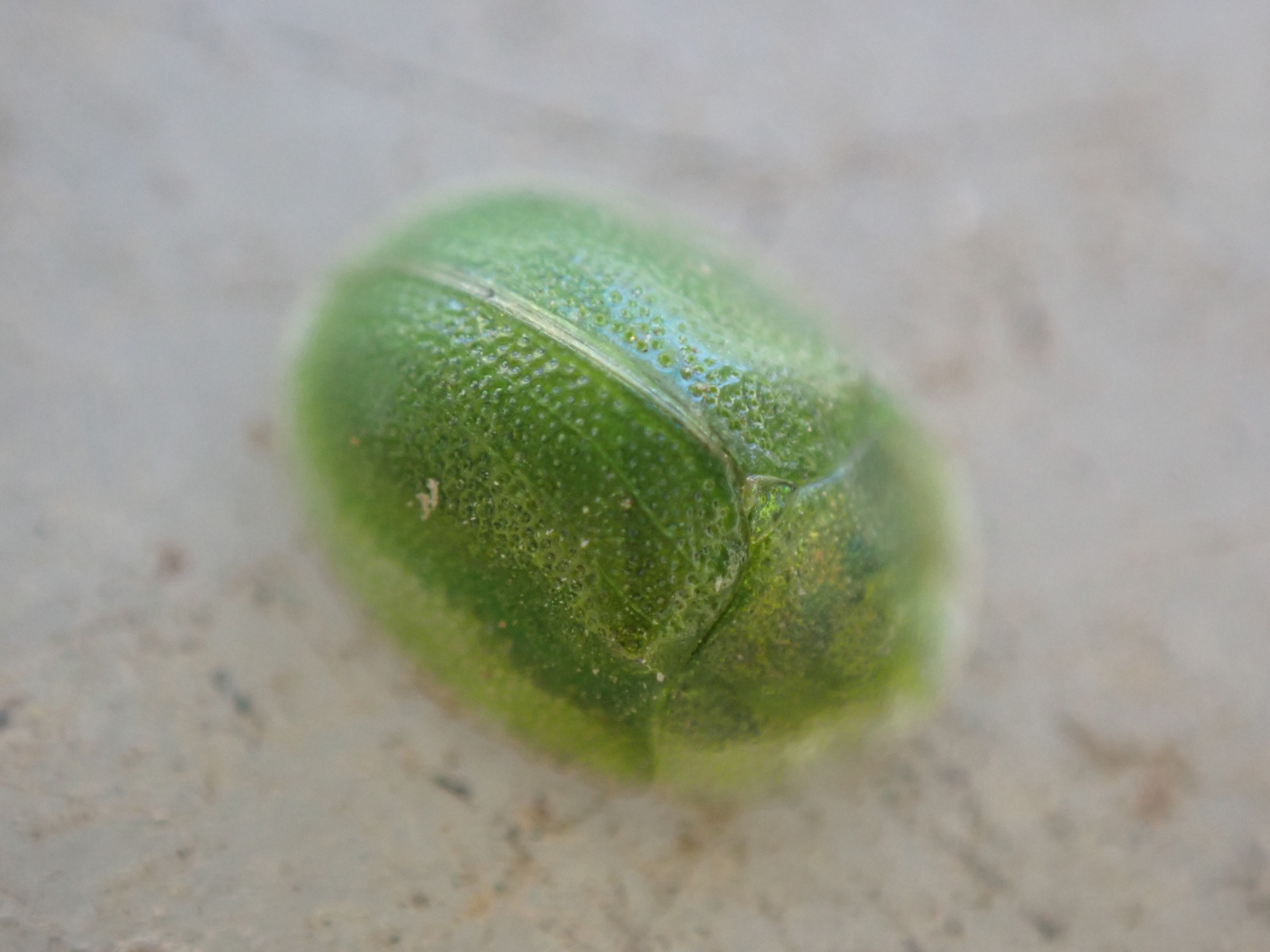
To Franchises Lodge in Wiltshire, although it still very much feels like the New Forest. Some nice records like only the 3rd time I have seen Cassida hemisphaerica.
And a new hectad for Crustulina sticta.
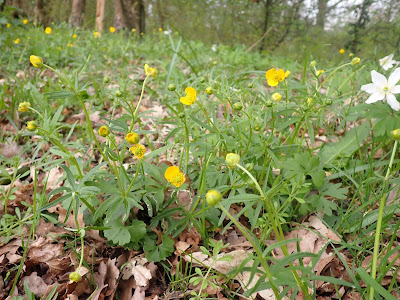
I have been enjoying the Sussex woodland this spring, with lots of AWIs in flower, such as this Goldilocks Buttercup. Photo-bombed by a Wood Anemone!
Finding a new site for Mossy Stonecrop in West Sussex on a lovely sandy farm was a real highlight. This is my first Sussex record of this species.
And that good old rule, if you find one good thing, you'll probably find more stood up yet again. My first Sussex records of Hoary Cinquefoil.
Over to a farm and woodland in East Sussex. The world's worst photo of an Ash-black Slug.
Found a flush in an unassuming field and it's full of Bog Pondweed and Lesser Spearwort. I will be back here.
And in the woods, only the 2nd time I have seen the scarce (Na) weevil, Tropiphorus elevatus.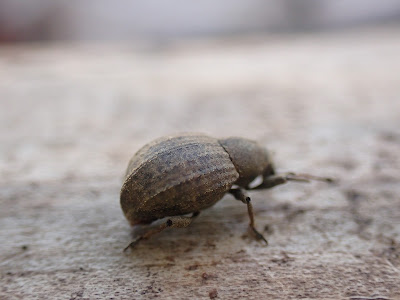
And then down to Devon where I have never seen so many Violet Oil-beetles.
I was amazed when I checked the one bee I had collected in a separate tube to the others to see that it had a triangulin attached to it! It was a male Nomada goodeniana, a parasite on a parasite.
And it's been a while since I've seen Elaphrus cupreus, what a beetle up close!
It's been a great four weeks. I really wanted to write this blog to show people just how important a month April is, even if it's not that sunny. I always like to get a round of monitoring in before leaf-burst, chiefly armed with the suction sampler (and three batteries) as this often picks up species that are being missed if you don't start until May. I love April, it's by far my favourite month for surveying. No hay fever, no rank vegetation, very little heat and loads of good records! Now, it's City Nature Challenge time and I have big plans this year...I am aiming for 4000 records in four days. Gulp.
Never before have I agonised over the order of my top ten natural history highlights but I do not exaggerate when I say 2019 was the best natural history year of my life. Anyway, spiders are here lumped as one and will get their own top ten at a later date. So here they are in reverse order.
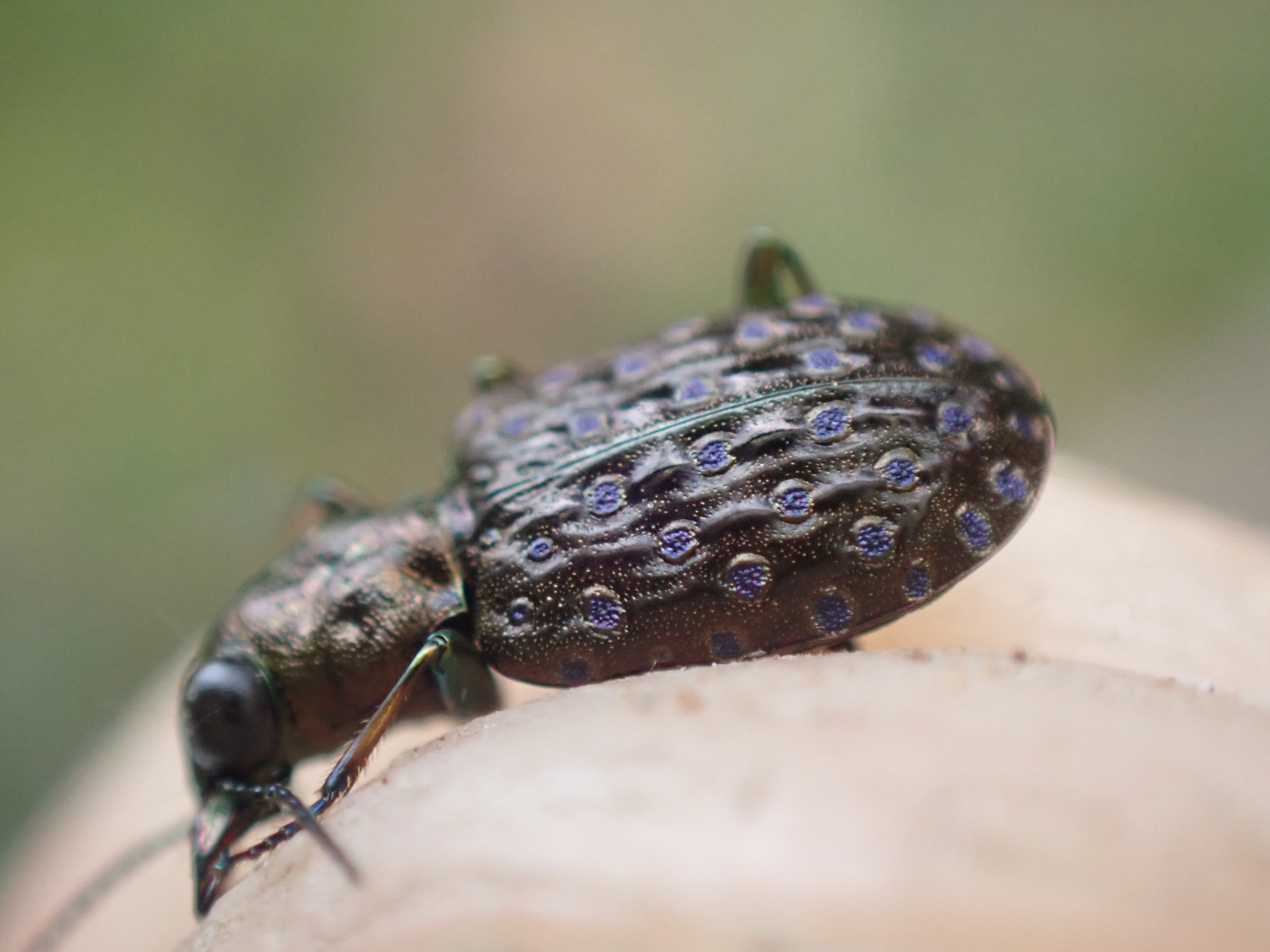
10. Carabus intricatus (Blue Ground Beetle) with John Walters in Devon.
It was hard keeping John in eye sight on the side of the hill so I was glad that he was able to find us one of these astonishingly smart beetles. December was an exceptional month for me in nature.
9. Purple Emperor (Apatura iris) larva beaten from willow at Holmwood Common.
Not a really rare species but my first encounter with the larva in September produced some unforgettable photos.
8. Snow Fleas (Boreus hyemalis).
Both on purpose in the Wyre Forest, Shropshire in February and by accident on the Roaches in December.
7. Mega rare moths found in the field, who needs a moth trap?
I found a LOT of rare moths, probably the rarest was this Purple Marbled that I managed to capture even without a net at Seaford Head during a bioblitz. Others this year including sweeping a Dewick's Plusia in a park in London and netting a Hornet Moth in flight on a freelance job in Kent.
6. East Head sand dunes invertebrate survey.
A summer surveying these sand dunes with Lee Walther for the National Trust was a blast. Still I think the site with highest proportion of species with conservation status I have ever surveyed. Here I have picked the sea-lavender feeding weevil Pseudaplemonus limonii as it's metallic purple!
5. Sea slugs at the Pound
My annual trip to the Pound at Eastbourne with Evan Jones was mid blowing last year and it's testament to how amazing a year this has been that this is way down at number five. Here is the one that blew me away the most and pretty much the only one I found myself, Polycera quadrilineata.
4. The baseline survey of Ken Hill Estate
My trips up to Norfolk this year were so enjoyable, so many great things to find but the day I recorded Breckland Leatherbug Arenocoris waltlii might be the most memorable.
3. A year of spiders
OK, here's the big shock. I have loved year listing spiders (and I will be giving them their own top ten very soon) but it doesn't make it to 1st or even 2nd place. Who will win the spider top ten? I suspect it might have to go to Philodromus fallax for being the most unexpected find in early November that I had almost given up on and one of my most sought after species of all time.
2. Melodious Warbler and breeding Dartford Warblers at Butcherlands
The Butcherlands bird survey has delighted me for nearly a decade. So the breeding Dartford Warblers in bramble scrub were amazing but then picking up an odd warbler in the distance on the last visit, chasing it, realising it was a bird I didn't know was possibly the most exciting thing ever. Especially as at one point it was getting away from me. Then a great big yellow warbler jumped right out in front of me, a Melodious Warbler!. Definitely the fastest song of any bird and a great way to end a very enjoyable survey. When I first picked it up it was in the big willow on the left.
1. My first first for Britain!
Not only a new species but a new family for the UK. Finding this at Marline Valley was such an exciting experience. What a strange looking thing. It was closely followed by a second specimen swept by young Ted on his work experience! I tentatively identified it as Coptosoma scutellatum and Tristan Bantock soon confirmed the ID and I gave it the English name Trapezium Shieldbug. A really exciting way to end 12 years at Sussex Wildlife Trust but I have to end this on a downer. It probably turned up in the hot summer of 2018 and this in turn is almost certainly down to man made climate change.
We now have a government woefully inadequate in terms of its approach to climate change and emissions, so you have to do every little bit you can to prevent things from getting any worse. I don't think people realise just how important five years is in the crisis we are in now, I know I am preaching to the converted here but we just missed a huge chance to make serious change to our environment at this crucial tipping point in the climate crisis and influence others on the world stage.
But I know what you're thinking. "Where ARE its wings?!". Now lets see what 2020 has to offer...


 Posts