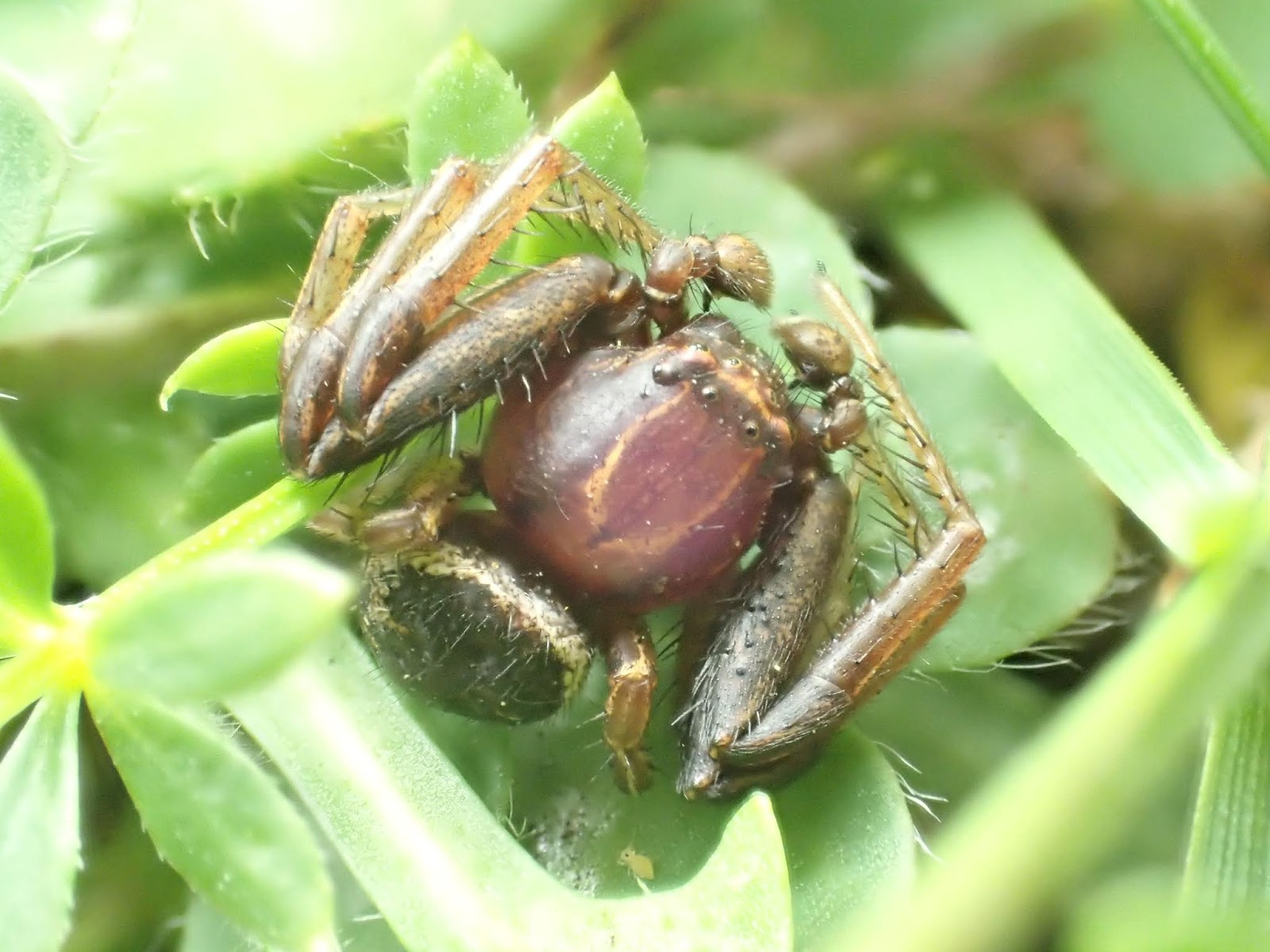
Last week when I was up at Ken Hill I went and met fellow top-ten pan-lister Steve Lane at Holme Dunes with the warden Gary Hibberd. Steve has rocketed up to 7th place in recent years and I have not met him before this point. Three years ago there was a PSL event at Holme that at the last minute I was not able to attend due to freelance commitments down here in Sussex. So when everyone up there was ticking Natterjack Toads and Clanoptilius barnevillei beetles, I was stuck in Sussex slumming it with the first Calosoma sycophanta in Britain in over 25 years. Gutting. So there is some catharsis for me here. And I wonder who gets the post title reference?
Anyway. I think this might be my first time at Holme since I was a kid. So, I raided my childhood notes and bring you a blast from the past in the from Little Graeme's notebook entry from 22nd October 1990 when I was 12!!! This is taken directly from my notes, anything in square brackets are my comments now. It's here in its raw form, spelling mistake and grammatical errors left in for your pleasure.
"We pulled along the drive all hoping to see the juvenile Pied Wheatear, but as we paid the man he said 'the Pied Wheater whent overnight, but the Great-grey Shrike, Jack snipe and the Parrot Crossbill are still here'. he also said 'The shrikes still here showing well and there are four crossbills (3m's and 1f) and, luckily there not with other crossbill's of different species
[I wonder, was 'the man' Gary Hibberd?! Gary were you there then? That would be bonkers if it was you!]
We drove along the drive hoping we would catch a glimpse of the shrike, but only Mr Berry and .Mr. Gardner saw it from the care (because it flew behind a sand bank), quickly we pulled into the car park and I ran out and asked a man and woman where it had gone [nice work Little Graeme, I can imagine the panic in my voice]. They said 'It flew from that bush, to that bush to that bush but now its gone down that bank". Me, Mr Gardner and Paul climbed the bank and looked around the bushes and saw a glimpse of white, there it was showing well, extremely conspicuous because of the white underparts showing up on the dark vegetation. it had a slightly buffy breast, less black than I expected and smaller as well (I was expecting it about Magpie size. Overall a very unelusive bird with prominent wing markings. [I was often very keen to start brackets as a child but then would forget to close them afterwards! Fortunately I grew out of that habit.
We went past a bush on the way back and saw a mass of Goldcrests in it. I walked close to them until I was about three foot from them, I could see see white wing markings and black around the gold crest. Very tame.
Then we went into the hides and in the first one two Jack Snipes and four Snipes, they were very well camouflaged against the reeds and I noticed some important differences between the two snipes which I'd never seen before [no surprise there Little Graeme as you had never seen Jack Snipe before this day!!!]. I've listed them below:-
1) Overall smaller body, much more stocky
2) Shorter bill
3) Bobs up and down (hole body not tail, like sandpiper)
4) Has central black crown stripe and black eyebrow.
5) It has four gold stripes down back (golder than Snipes) and two glossy green Stripes down neck.
Then as we walked down the track we noticed a bird with it's head ripped of probably done by a Sparrow Hawk then we saw some large Horse Mushrooms. Then I got a head ache. We went looking for Parrot Crossbill's, my head ache build up and I felt sick we did not see the crossbills [I remember that head ache. Nothing could stop me bird watching but this was the time in my life when I was suffering from severe migraines that would totally knock me sideways, they stopped when I was 17]
. Then I threw up and couldn't stop, I had to stay in the car when they went round Titchwell.
We also saw a Robin's Pin-cushion (a kind of oak gall [almost spot on Little G but I'll give you that]
).
Fast forward 29 years an I am back at Holme. Steve Lane is an absolute legend in the field. I got 10 beetle ticks in an incredibly short time. The highlight for me was however catching up with
Natterjack Toad, a bogey of mine for many years. We only saw toadlets but I was very happy with this!
We saw some good spiders in the dunes but no year ticks for my spider list. Possible
Clubionia frisia were all immature. Here is a lovely
Marpissa nivoyi, the biggest I have seen.
Steve showed me these striking
Chrysopa dorsalis by beating the pines.
Gary showed me this gall caused by the mite
Aceria hippophaenus on Sea Buckthorn, another lifer!
Nice to see some
Marsh Helleborines too.
And
Coranus woodroffei too!
It was great to meet Steve and Gary and I do hope to do some more natural history up there on my next visit, a massive thank you to both of you for you time. I dare say Steve will be overtaking me in the next few years with the rate he is shooting up the rankings and rightly so, he's a brilliant entomologist!


It's strange how the word competitiveness still has negative connotations, especially in the world of listing and natural history but I have no time for this attitude. I challenge it head, suggesting some people hide behind their lack of competitiveness as a way to never push themselves. They have become victims of binary thinking; incapable of seeing beyond their own assumptions about listing. If you hide at the back sniping people at the front, you don't have to stick your neck out, you don't have to take risks. And this is nice and cosy because it eliminates the fear of failure. But along with not taking risks comes not achieving anything. This has become more of a thing with social media and the rise of trolling. Yes, competitiveness for competitive-sake isn't great, but being honest, how much of that really happens in natural history and pan-species listing? Certainly there isn't any in my work or most of what I see happening in the PSL world. So when I saw Matt Prince was listing spiders in 2019, I thought I would get involved. The reasons:
- I knew there would be conservation gains from it.
- I knew I would get some new spiders out of it.
- I knew I would learn a lot and teach a lot.
- I knew I would add some structure to my casual recording in 2019.
- I knew I would generate some blog content. So you are already benefiting from it.
- I knew it would benefit my role as county recorder.
- I knew I would enjoy it.
Do I expect to win? No! Then why pick a fight I can't win? Matt's definitely got the edge on me with spiders but that's not why I am doing it. I am doing it for the reasons above. All the same reasons I am so totally convinced that pan-species listing is such an important movement in UK natural history. And I also think you should treat each field season like it might be your last. Life is short. Yet having said all this, you can probably tell I am braced for more negative comments.
Rant over, now for the good stuff. My spider list is on 60 species for the year. I am in no doubt that Matt has overtaken me today as he was on 59 on Friday.
I headed to Iping Common yesterday having spent many days indoors recently. Brighton had been shrouded in low cloud on Thursday and Friday and I was also fed up of seeing people record spring invertebrates online. I met up with Shaun Pryor and John Burnham for a day of spider recording. We recorded 28 species. My target was to get to 60 for the year which incredibly I hit dead on. I wanted a new species for myself, one for the site, one new to the reserve network and some that hadn't been recorded since 1968 (a year when many species were last recorded on West Sussex heaths). We achieved all of this and more (except nothing new to the network this time). The spider above is the gorgeous heathland specialist Philodromus histrio. It's known from Iping and is a lot showier than the microscopic highlights the post title refers to. Phwoar!
Species new to Iping Common
Recording money spiders in the field is interesting. You get an idea what it might be but all the fun happens when you get home at the microscope as most of them are so small you can't get much on them even from a hand lens. Therefore, I think the most efficient way to record them is to grab as many as you can and whack them straight in the killing jar. I have to say there were not vast numbers, I recorded only one of most species. These two were very common species that had not been recorded from the site before. Usually associated with damper areas, this was definitely the product of targeting some of the bogs on the site.
Lophomma punctatum
Kaestneria pullata
This bring the site list to 215 species, firmly cemented as the biggest species list in both East and West Sussex.
A further three species were added to the site list too. Bristly Millipede and the weevils Pissodes castaneus and Hypera nigrirostris. This means we added five species to the site list yesterday, bringing the whole list up to 2959 species. Only 41 to 3000!
Species not recorded since 1968
After reviewing the spiders for the counties at the end of the year, it was clear that quite a large number of species haven't been seen in the county for half a century. I knew I had to target money spiders outside of the main field season on the West Sussex heaths in order to try and rectify this. And it paid off! These two species had not been recorded on the site since 1968.
Cnephalocotes obscurus
Micrargus herbigradus
These are common and ubiquitous spiders with adults peaking in the summer. However, I suction-sampled two VERY small spiders on the burnt area of the heath. They were so small that I put them in their own tubes for fear of losing them in the killing jar. Both were just over 1 mm long. The first up:
Mecopisthes peusi. This nationally scarce BAP/S41 species was last recorded there in 1968 (and last in Sussex in 1989 at Ambersham - it's only other Sussex location). I was glad that such a small spider had such massive and distinctive palps which made identification much easier. I was interested to see that it does well on burnt areas. A truly terrible photo but you get an idea of scale at least.

Buzzing from this I pulled out the second specimen. It was
Tapinocyba mitis. Nationally rare, Endangered and BAP/S41 too! Not recorded in the south east for decades and the last Sussex record in 1968 from Iping. Looking at the autecology, it does well on sites that have recently burnt! I can't believe I found these two spiders with such specific habitat requirements without knowing they existed. Very pleased with this as I was hoping for some of these kind of species. Especially as I did a survey there targeting this habitat last year. The difference with these two species is though they do appear to have winter/early spring adults. So you are unlikely to get them sticking to the April to September survey window.
So next time someone says "PSL is too competitive" throw it right back at them with "No, you're not competitive enough" because competitiveness is a good thing and people like that don't get to use the word in a derogatory way! Let's own it!
I think it would be really cool to write up our finds next year and show just how much good we have done with this approach, what do you think Matt?
As there is an excellent article in BBC's Wildlife Magazine on pan-species listing this month, I thought I would celebrate the updating of the master pan species-list for Sussex Wildlife Trust reserves.
Since I first compiled the spreadsheet around two years ago, we have increased the number of species recorded on the 32 reserves from 9790 to an incredible 10241 species, that's a 4.6% increase. This is an incredible achievement, especially when you look at the total number of new site records across all the 32 reserves. There have been in just two years, 4727 species recorded new to a particular site. We certainly would have recorded many of these without the spreadsheet but a large number of them are being driven by having this resource.
Above is the
Six-spotted Pot Beetle Cryptocephalus sexpunctatus (nationally rare, Endangered, BAP)
that Alice found at Flatropers in 2017 (Alice's photo too). We have not found another. It's one of the most significant discoveries we have made on our reserves in recent years, I am unbelievably gripped and despite two attempts we have not found another. Alice found this while doing some casual recording (we carried out a more comprehensive survey there in 2014). Analysing a site list like this using the pan-species listing approach gives as much weight to casual recording as it does to standardised surveys. It pulls it all together in a way that a more rigid monitoring strategy alone might not.
Now I am not in anyway suggesting that structured monitoring is anything other than a wonderful and vital thing but this is another layer to site assessment that is often missed because it requires a bit of work to pull it together and a good knowledge of taxonomy and conservation status. I'd like species recording to stay at the very core of modern conservation.
Quite often you might not record the rarest species on a site during a survey because they are there at extremely low densities, might be present at different times of the year to when you are surveying and of course might not have even been there at all at the time. Only this week when working through some casual recording I did with the suction sampler at Seaford Head last May, I recorded
Dipoena prona (nationally rare & Endangered), this is the first record in Sussex since 1900 and the first for the network, it's REALLY rare. I found
Pardosa paludicola (nationally rare, Endangered) during a standardised survey (at Butcherlands in 2017). Thanks to Evan Jones for the photo. However it was recorded, it exists on the spreadsheet as a single row. This is the beauty the pan-species listing approach.
All species count with an accumulative list.
There have been some huge jumps in the individual site's species-lists. Ebernoe Common has jumped by 8.8% from 3711 species to 4037, mainly through an invertebrate survey that Mike Edwards and I did at Butcherlands there in 2017. Rye Harbour has only jumped by 79 species to 4354. So watch out Rye Harbour, Ebernoe Common is gaining on you! There have been no changes in the rankings of the top ten.
With help from Mark Colvin and Martin Allison, we added
Arched Earthstar to the reserve network list at Ebernoe in 2018. I think this is now Near Threatened.
All these reserves have had huge increases though:
Gillham Woods. 150% increase from 108 species to 270
Selwyns Wood. 46.2% increase from 498 to 728
Brickfield Meadow. 30.5% increase from 426 to 556
Graffham Common. 90.3% increase from 669 to 1273 (it's remarkable that this site has almost doubled!)
Waltham Brooks. 48.0% increase from 1062 to 1572
Leythorne Meadow. 46.7% increase from 261 to 383
Ditchling Beacon. 35.0% increase from 949 to 1281
Seaford Head. 22.4% incraese from 1358 to 1662
Withdean Woods. 91.2% from 34 to 65
Deneway 50.1% from 78 to 117
I appreciate some of these are smaller, less-designated and under-recorded sites, so these huge percentage increases are less relevant but where they are extremely significant are where the sites already have fairly large lists. The increases at Graffham Common, Waltham Brooks, Ditchling Beacon and Seaford Head are particularly significant.
I found immature
Lichen Running-spiders Philodromus margaritatus (nationally rare, Near Threatened, BAP) at Graffham Common late in 2016 but didn't confirm by getting an adult until the following year. This was new to all SWT reserves.
The mean year of the last record has risen to 2007. It may well be that this is always around 12 years earlier than the time of analysis. I will test that theory this time next year. Interestingly the mode still stands at 2017 for all records but more species were recorded on our reserves in 2018 than any other year (given that the spreadsheet only shows the last year, this isn't technically correct - it only applies to the last year it was recorded on a site). A total of 2200 species were recorded last year or 21.5% of all the species we have ever recorded.
I have recently added in all the up to date conservation status for invertebrates. I had hoped this winter to get all the conservation statuses in but the lower plants and fungi were not as easy to get hold of so I haven't quite finished that. The conservation statuses are in though for invertebrates and wow, some interesting stats...
We have recorded 6513 species of invertebrate on our sites, an incredible 63.4% of all the species recorded. Of these, 1203 (18.5%) have some form of conservation status. This is a great metric to assess a site's quality for invertebrates. It's incredible to think that Rye Harbour has had 3225 species of invertebrate recorded on it. It would be our second most species-rich reserve even if it had nothing else there than invertebrates! It's the proportions of species with conservation status that are most interesting though. Rye Harbour has 15.1% but this isn't followed by Ebernoe, Ebernoe is actually 11th if you compare it this way. In fact it is Iping and Stedham Commons with 14.0% of its 2954 invertebrate species having status status.
In fact, Woods Mill has had more invertebrates recorded on it that Iping, with 1646 species. Yet only 5.5% of these have status. Reflecting the very different nature of these sites. There is lots of woodland on Wealden clay but very little heathland in Sussex (reflecting the national picture) and early successional habitat, such as that at Rye Harbour and Iping Common, is at a premium. Therefore the species that occur there are often by their very nature, rare or scarce. Ebernoe has some spectacular old-growth woodland (late successional) which is also a rare habitat but the closing over the habitat here has diluted the species list with ever increasingly commoner woodland invertebrates. However by haloing some veteran trees and creating new species-rich grassland at Ebernoe (Butcherlands), we are addressing this imbalance.
So here are the top ten reserves ranked by the number of invertebrates recorded there.
| Rye
Harbour |
3225 |
| Ebernoe Common |
2069 |
| Woods Mill |
1646 |
| Iping and Stedham Commons |
1638 |
| Malling Down |
1366 |
| Flatropers |
1203 |
| Old Lodge |
1054 |
| Filsham
Reedbed |
1049 |
| Seaford Head |
992 |
| Burton Pond |
960 |
And here is the top ten reserves ranked by the proportion of those species that have conservation status. This is a great way of removing as much recorder bias as possible and becomes more powerful the more species you record. Please note, only sites with more than 250 species have been included in both these analyses. This is ALL invertebrates.
| Rye
Harbour |
15.1% |
| Iping and Stedham Commons |
14.0% |
| Seaford Head |
11.8% |
| Malling Down |
11.3% |
| Graffham
Common |
10.4% |
| Ferry Field |
10.3% |
| Southerham |
9.7% |
| Pevensey Marshes |
9.7% |
| Levin Down |
9.6% |
| Burton Pond |
9.4% |
Old Lodge is ranked in 21st place with only 5.8% of the 1054 species having conservation status, much lower than the West Sussex heath sites. This is a direct reflection of the site being cooler and higher. It has a lot of species that are scarce in Sussex, but widespread in the north west. These themselves not being afforded conservation status. It would undoubtedly score high on the proportion of species on the Sussex Rare Species Inventory but I am yet to look at this. Graffham Common sits on the Greensand Ridge in West Sussex and is ranked 5th! Not bad for an old conifer plantation that isn't even a SSSI!
For a bit of fun I had a look at which county, East or West Sussex, had the most species overall. It was quite close. East Sussex wins with 7716 and West with 7406.
What next? I have been talking to some wildlife trusts about helping them put their lists together and next week I will be talking to a national wildlife trust event about monitoring at the landscape scale level and I will be presenting this spreadsheet, analyses and the benefits. Make no mistake, this IS landscape conservation. Here, the landscape is defined as the Sussex Wildlife Trust reserve network. Landscape scale conservation can be about detailed species recording AND large scale trends and patterns, the two are not mutually exclusive. By comparing between sites, you can look at the 'unique' species, proportion of species with conservation status, proportion of regionally scarce species, how sites compliment each other, spacial analyses, introduced species, ubiquitous species and much more. It's a great way to be informed about your sites.
The introduced
Asparagus Beetle was added to the reserve network in 2018 by sweeping heather at Iping Common. As you do.
You could do this with any network of sites at any scale, the modular nature affording both internal and external comparisons. As long as you have some assessment of quality (here I am using conservation status of invertebrates) you can start to make some valid comparisons. It just takes a bit of grunt work to build and maintain the species lists and a constant effort of recording across all taxonomic groups. I have been blown away by how many people have contributed to this since the first draft was produced two years ago, it really is a lot more than just my efforts. Obviously the role of the Sussex Biodiversity Record Centre is vital in this for storing and managing the data and Bob Foreman's input has been particularly appreciated. Without your local records centre, this kind of derivation of the data would be impossible.
Whilst moth-trapping at Ebernoe Common, Tony Davis recorded the
Pondweed Leafhopper (DD, BAP) at light new to the network in 2017. And below the reserve volunteers at Selwyns Wood recorded
Coral-root (nationally scarce) new to the network where it appeared after their ride management.
It's also really good for generating biological information for management plans. Here is an exert from a section I recently updated for the Old Lodge plan. We do this for all taxa, here I have just included spiders:
Spiders
A
total of 146 species have been recorded, 17 of which have conservation status (11.6%).
“Lowland heath is richest habitat for
spider diversity in UK” Andy Phillips, county spider recorder, Adastra
2006. Despite this it has proved difficult to persuade arachnologists to
visit Old Lodge.
The Raft Spider Dolomedes
fimbriatus is widespread in areas of wet tussocky grass as well as ponds
and the stream. The bright green Micommatta virescens is
frequently seen amongst tussocky grass.
The invertebrate survey of 2013 recorded
112 species of spider including Araneus marmoreus, Walckenaeria acuminata,
Micrommata virescens and Philodromus histrio.
Visits to Old Lodge by Andy
Philips, Graeme Lyons and Evan Jones were made in March 2017 and by Graeme Lyons
in November 2018 to search for the rare spider Thanatus formicinus which
was last seen in Sussex nearby in 1945. Although they were unsuccessful, a
number of other rare species were found on these visits chiefly the money
spiders Hypselistes jackosni and Notiscopus sarcinatus.
So to summarise, we have:
- A 5% increase in species on reserves in two years from 9790 to 10241.
- Nearly 5000 new site records in two years.
- At a glance analysis of conservation statuses across all invertebrate groups.
- Over 1200 species of invertebrate with conservation status now recorded.
- Easily editable data for producing biological sections for management plans.
- A new dimension to engage the already exceptionally engaged recording community on our reserves in Sussex.
- Endless interesting statistics, such as 3847 species have only been recorded at one site while only three have been recorded at all 32.
So why not pan-species list your wildlife trust, conservation charity, region or site? The results speak for themselves.
I was going to do my top ten of the year but got a bit daunted by doing doing it yet again, so I thought I would do something a bit different inspired by Andy Musgrove. So, to start with here is my number one natural history highlight of 2018. Quite simply stumbling across a Large Tortoiseshell at Woods Mill on the first warm day of spring on the 15th March. Right, that's out of the way. Here is some data...
I thought I would have a look at my breakdown of records in 2018. I entered 11,568 records. This breaks down into 2752 species. This is four species more than my first attempt at my list eight years ago at age 32!!! I can't believe that I saw AT LEAST as many species in the last 12 months as I did in
the first 32 years of my life. It's not like I was messing about for a lot of that, I'd worked for the RSPB for seven years and Sussex Wildlife Trust for two years at that point, as well as a further 20 years of natural history recording for fun! So what does this mean? The answer:
pan-species listing. This is the impact that this approach to wildlife recording has had on my life. So why not sign up to the website and get involved?
Here is my breakdown from 2018. Note that I will have seen a lot more species that I have not yet recorded (such as quadrat and moth-trapping data that takes a lot longer to find its way into Recorder). That's 1872 invertebrates. A total of 2752 species would put me in 56th place overall and 211 would be joint 9th place for arachnids. It took me years to get to 400 beetles so I am pretty pleased with 605.
| Beetles |
605 |
| Vascular plants |
481 |
| Moths |
297 |
| Bugs |
283 |
| Arachnids |
211 |
| Hymenoptera |
162 |
| Birds |
144 |
| Diptera |
136 |
| Fungi |
99 |
| Bryophytes |
75 |
| Molluscs |
70 |
| Butterflies |
40 |
| Other invertebrates |
28 |
| Orthopteroids |
20 |
| Mammals |
20 |
| Dragonflies |
18 |
| Crustaceans |
16 |
| Myriapods |
11 |
| Annelids |
7 |
| Springtails |
6 |
| Reptiles |
5 |
| Fish |
5 |
| Amphibians |
4 |
| Slime moulds |
3 |
| Lichens |
3 |
| Platyhelminth worms |
2 |
| Seaweeds |
1 |
I am itching to get out there recording again but it wont be for a few weeks at this rate. Let's hope 2019 is an even more amazing year!

Now for the slugs & snails. A total of 27 species were recorded and six of these were new for the site. One of them. the River or 'Giant' Pea Mussel Pisidium amnicum was new for me too. Pulled out of the river in the same sample as the riffle beetles in the lats post. Three lifers in one net. The distinctive thing about this pea mussel is it's huge. At 10 mm wide, it towers over the others in the genus. It's also far more asymmetrical than the other species and is found in rivers. The last record on any Trust reserve was from Amberley in 2008. I was surprised Leopard Slug was new. The Vertigo was found using the suction sampler in the valley field and the aquatic molluscs in the lake are doing well after the carp removal with a few new species there. To summarise, between the beetles and molluscs, 70 species of which 26 (37%!) are new for the site (and three new for me). Here are some other shots from my library. Limacus maculatus, Planorbis planorbis and Cochlodina laminata Next up, the bugs!


| Species |
Last record |
| Acroloxus lacustris |
1996 |
| Anisus vortex |
1996 |
| Arion hortensis |
2017 |
| Arion subfuscus |
2017 |
| Bithynia leachii |
New |
| Bithynia tentaculata |
1996 |
| Cepaea hortensis |
2010 |
| Cepaea nemoralis |
2013 |
| Clausilia bidentata |
2014 |
| Cochlicopa lubrica |
1996 |
| Cochlodina laminata |
2011 |
| Cornu aspersum |
2010 |
| Lehmannia marginata |
2017 |
| Lehmannia valentiana |
2017 |
| Limacus maculatus |
2016 |
| Limax maximus |
New |
| Monacha cantiana |
1996 |
| Oxychilus navarricus |
2010 |
| Pisidium amnicum |
New |
| Planorbarius corneus |
2014 |
| Planorbis carinatus |
New |
| Planorbis planorbis |
1996 |
| Potamopyrgus antipodarum |
New |
| Radix balthica |
1996 |
| Sphaerium corneum |
2014 |
| Succinea putris |
New |
| Vertigo pygmaea |
New |
On the 31st August, Sussex Wildlife Trust will be conducting a 'bioblitz' at Woods Mill as part of the 50 year anniversary there. A bioblitz that starts in summer and ends in autumn (if you measure the seasons meteorologically like any reasonable person).When I heard that the event will be starting on the Friday evening and going on for pretty much 24 hours, I thought, maybe it will be worth giving this a go. And by that I mean actually doing a full 24 hours like Dave and I did last June.
So it's on! Lois, James and the team will be running the event but being sensible people, will be going to bed at some point. I am gonna start at 3.00 pm with a derived list from the reserves species master list on waterproof paper. I'm gonna plough on until 3.00 pm the next day. Then sleep. There are some differences though when it comes to doing this in June . One rather big one is that I'm not gonna have Dave Green (unfortunately he's not around that weekend) catching & identifying stuff and will also have to scribe and count myself. Eeeek! The other is 10 hours of darkness. And most of this will happen in September. However, here is what IS in my favour.
- No travelling. It's all on one site.
- A classroom with Internet, power and somewhere to put my books and microscope/s.
- A site I have recorded intimately for years so I know where a lot of stuff is. All those lunch time walks will come in handy.
- Lots of people on hand to help.
The master list for all reserves currently stands at 10,129 species for all 32 sites. Woods Mill is our fourth most well-recorded reserve at 2361 species (surpassed only by Rye Harbour, Ebernoe Common and Iping & Stedham Common). The mean year of the last record for Woods Mill is 2008 (compared to an average of 2006 for all reserves). The mode of the last record for Woods Mill is 2016. So we are highly likely to change these statistics. I predict a good few new records for the site and maybe the odd one new to the reserve network.
So what is realistically achievable? I have no idea. I really don't. I would expect to get a 100 species in the first 30 minutes and 200 within an hour, soon after this I think it's gonna plateau, I just don't know! Here are the challenges that I am gonna set for us:
- To collectively record a 1000 species at Woods Mill in the whole bioblitz, including identifications made after the 24 hour period. That would be over 40% of everything ever recorded in the last 50 years.
- To personally get to at least 600 species on the site within the 24 hour period. That would be over 25% of everything ever recorded there in the last 50 years.
Here is the
link to the event on the Trust website. I am gonna have to rethink whether this is worth doing to this intensity if the weather is really wet though. So, if you would like to come and lend some support or add your sweep net to the mix, then come on down! You're gonna have to find me though, as I am gonna be very mobile. I'd really appreciate help with the odd social media update and relaying results back to the HQ. I'm probably gonna collect a lot of specimens in the first afternoon to go through in the 10 hours of darkness. Dew isn't likely to burn off until 10.00 am on this site, so there is gonna be 10 hours of trudging around in the damp on 1st September if I don't plan this wisely! At least I can use this time to do birds by ear though.
I'm not going to be fund-raising this time, it's purely for the joy of celebrating the wildlife at Woods Mill that I've enjoyed so much over the last 10 years and to produce a whole load of records for the site.
Anyway, it's only a week tomorrow so I better get packing, ordering and charging!
PS I HATE the word 'bioblitz'. Wish we had something better but this seems to have stuck.
On the 1st June, I ran a course at Levin Down called the Invertebrates of chalk-grassland. I promised to write up the species list so here it is, unfortunately a bit late but this has bee a crazy summer so I am sorry for the delay. I now realise important rainy days are after experiencing a summer without any, I actually started writing this at the end of June. Anyway, the course was about showing people what they can do in the field but also what the limitations are of doing so. Here, I also wanted to prove the point that habitat specialists are pretty uncommon by introducing some rather crude resource analysis.
We arrived at Levin to find it shrouded in low cloud. This did not bode well. However, we started the morning simply by active searching, waiting for the dew to burn off. Sweeping, beating and suction sampling did not begin until after lunch.
It ended up being a pretty awesome day. We recorded 120 species in the field. Turns out 23 (19.1%) of these were new to the site! Nine had conservation status (7.5%). I personally didn't get any ticks but the highlights for me were these two. At the top of this post is the suction-sampler special. The tiny little Southern Crablet Ozyptila nigrita. I have 11 records for this species and eight of them have been made using a suction sampler.
But the star of the show was seeing three of these, two males and a female.
Xysticus bifasciatus. A rather smart spider. You can do this male by its genitalia on this photo, they are so large and distinctive (fnar fnar!) Not a chalk-grassland invertebrate at all though.
And the beetle
Tritoma bipustulata. This is the only place I have ever seen this, it seems to be fairly easy on this site on rather dull bracket fungi on relatively small trees, scrub and stumps that have been cleared. Again, not a chalk-grassland invertebrate.
Here is the list with a few notes on its key resources and associations, the year of the last record and whether it has a conservation status or not (noted after the species name). Now, these are quick notes, I expect people will disagree on some of them, please don't comment on the detail as I won't have the time or energy to get drawn into another debate. As you can see, looking down the list, chalk-grassland specialists are actually few and far between and probably don't make up anymore than 10% of what we saw. Sorry this doesn't quite fit the page but it's a compromise of getting as much detail into a small a space as possible and the year of the last record is quite a useful thing to have here.
| Order |
Species |
Last |
Resource/associations |
| Mite |
Ixodes ricinus |
2016 |
Mammal parasite |
| Woodlouse |
Philoscia muscorum |
2016 |
Detritivore |
| Woodlouse |
Oniscus asellus |
2016 |
Detritivore |
| Woodlouse |
Trichoniscus pusillus
agg. |
2016 |
Detritivore |
| Woodlouse |
Porcellio scaber |
2016 |
Detritivore |
| Woodlouse |
Armadillidium vulgare |
New |
Detritovore |
| Beetle |
Agriotes sputator |
2016 |
Grassland, roots |
| Beetle |
Agrypnus murinus |
2017 |
Roots, light soils,
often chalk |
| Beetle |
Athous
haemorrhoidalis |
2016 |
Generalist, roots |
| Beetle |
Ampedus elongantulus (Na) |
New |
Deadwood |
| Beetle |
Cantharis rustica |
2016 |
Grassland predator |
| Beetle |
Carabus problematicus |
2017 |
Generalist predator |
| Beetle |
Chrysolina polita |
2017 |
Generalist herbivore |
| Beetle |
Cordylepherus viridis |
2017 |
Grassland |
| Beetle |
Cryptocephalus
aureolus |
2017 |
Chalk-grassland,
yellow composites |
| Beetle |
Orchid Beetle |
2017 |
Chalk-grassland |
| Beetle |
Lesser Stag Beetle |
2016 |
Deadwood |
| Beetle |
Epitrix atropae (NS) |
2016 |
Deadly Nightshade |
| Beetle |
Harlequin Ladybird |
2016 |
Generalist predator |
| Beetle |
Dasytes aeratus |
New |
Deadwood |
| Beetle |
Denticollis linearis |
New |
Deadwood |
| Beetle |
Isomira murina |
2016 |
Woodland edge |
| Beetle |
Oedemera lurida |
2016 |
Flowers |
| Beetle |
Oedemera nobilis |
2016 |
Flowers |
| Beetle |
Onthophagus joannae |
2016 |
Dung |
| Beetle |
Phyllobius
roboretanus |
2016 |
Grassland herbivore |
| Beetle |
Phyllopertha
horticola |
New |
Grassland, roots |
| Beetle |
Pterostichus madidus |
2017 |
Generalist predator |
| Beetle |
Pyrochroa
serraticornis |
2017 |
Deadwood |
| Beetle |
Sinodendron
cylindricum |
2017 |
Deadwood |
| Beetle |
Stenocorus meridianus |
2017 |
Deadwood |
| Beetle |
Stenurella melanura |
2017 |
Deadwood |
| Beetle |
Tritoma bipustulata (Na) |
2016 |
Deadwood |
| Butterfly |
Orange Tip |
2018 |
Woodland edge |
| Butterfly |
Brown Argus |
2016 |
Grassland |
| Butterfly |
Small Heath (NT, BAP) |
2017 |
Grassland |
| Butterfly |
Small Blue (NT, BAP) |
2017 |
Chalk-grassland,
Kidney Vetch |
| Butterfly |
Dingy Skipper (VU,
BAP) |
2017 |
Grassland, legumes |
| Butterfly |
Common Blue |
2017 |
Grassland,
Bird's-foot Trefoil |
| Butterfly |
Grizzled Skipper |
2017 |
Chalk-grassland,
Rosaceae |
| Cockroach |
Ectobius lapponicus (NS) |
1988 |
Detritovore |
| Dragonfly |
Broad-Bodied Chaser |
New |
Aquatic larva |
| Hymenopteran |
Andrena cineraria |
2014 |
Flowers |
| Hymenopteran |
Andrena haemorrhoa |
New |
Flowers |
| Hymenopteran |
Bombus terrestris |
New |
Flowers |
| Hymenopteran |
Bombus pascuorum |
2016 |
Flowers |
| Hymenopteran |
Formica fusca |
2016 |
Generalist omnivore |
| Hymenopteran |
Robin's Pin-Cushion
Gall |
2017 |
Rose |
| Hymenopteran |
Yellow Meadow Ant |
2016 |
Grassland omnivore |
| Hymenopteran |
Bombus hypnorum |
New |
Flowers |
| Hymenopteran |
Vespa crabro |
New |
Generalist predator |
| Moth |
Silver Y |
2016 |
Migrant |
| Moth |
Yellow Shell |
2016 |
Generalist herbivore |
| Moth |
Celypha lacunana |
2004 |
Generalist herbivore |
| Moth |
Green Carpet |
2010 |
Bedstraws |
| Moth |
Crambus lathoniellus |
2016 |
Grassland herbivore |
| Moth |
Delplanqueia
dilutella |
2017 |
Chalk-grassland, Wild
Thyme |
| Moth |
Helcystogramma
rufescens |
2017 |
Grassland herbivore |
| Moth |
Vine's Rustic |
New |
Generalist herbivore |
| Moth |
Treble Brown Spot |
New |
Genralist herbivore |
| Moth |
Nemophora degeerella |
New |
Wood-anemone |
| Moth |
Common Swift |
New |
Generalist herbivore |
| Moth |
Micropterix calthella |
New |
Flowers |
| Moth |
Dusky Sallow |
New |
Dry grassland,
herbivore |
| Moth |
Pyrausta aurata |
2016 |
Labiates |
| Moth |
Straw Dot |
2006 |
Grassland herbivore |
| Moth |
White Ermine |
New |
Generalist hebrivore |
| Moth |
Speckled Yellow |
New |
Wood Sage |
| Orthopteran |
Field Grasshopper |
2017 |
Dry grassland
omnivore |
| Orthopteran |
Speckled Bush-cricket |
2016 |
Woodland edge
omnivore |
| Orthopteran |
Roesel's Bush-cricket |
2016 |
Rank grassland
omnivore |
| Orthopteran |
Common Green
Grasshopper |
2017 |
Grassland |
| Orthopteran |
Dark Bush-cricket |
2016 |
Woodland edge |
| Scorpionfly |
Panorpa germanica |
2016 |
Woodland & scrub
predator |
| Bug |
Juniper Aphid |
2016 |
Juniper |
| Bug |
Agramma laetum |
2016 |
Dry grassland |
| Bug |
Calocoris
roseomaculatus |
2017 |
Chalk-grassland |
| Bug |
Capsus ater |
2016 |
Grassland |
| Bug |
Juniper Shieldbug |
2017 |
Juniper |
| Bug |
Sloe Shieldbug |
2016 |
Generalist |
| Bug |
Leptopterna dolabrata |
2017 |
Grassland |
| Bug |
Leptopterna ferrugata |
2016 |
Dry grassland |
| Bug |
Stenodema laevigata |
2017 |
Grassland |
| Bug |
Nabis rugosus |
New |
Predator |
| Bug |
Aphrophora alni |
2016 |
Trees & scrub |
| Bug |
Cercopis vulnerata |
2016 |
Tall herb |
| Bug |
Eupteryx notata |
2016 |
Chalk-grassland |
| Fly |
Chloromyia formosa |
2016 |
Generalist |
| Fly |
Leptarthrus
brevirostris |
2017 |
Chalk-grassland |
| Fly |
Myathropa florea |
2016 |
Deadwood |
| Fly |
Eristalis pertinax |
New |
Generalist |
| Fly |
Rhagio tringarius |
2017 |
Humid |
| Fly |
Rhingia campestris |
2016 |
Dung/Wood-edge |
| Fly |
Tipula vernalis |
2016 |
Generalist |
| Fly |
Volucella bombylans |
2016 |
Aculeate
hosts/Flowers |
| Millipede |
Cylindroiulus
punctatus |
2016 |
Deadwood |
| Mollusc |
Balea sarsii |
2017 |
Trees & scrub |
| Mollusc |
Candidula intersecta |
2016 |
Chalk-grassland |
| Mollusc |
Cochlodina laminata |
2016 |
Woodland, chalky |
| Mollusc |
Cornu aspersum |
2017 |
Generalist |
| Mollusc |
Deroceras reticulatum |
1983 |
Generalist |
| Mollusc |
Pomatias elegans |
2017 |
Woodland-edge on
chalk |
| Mollusc |
Vallonia costata |
2016 |
Dry short turf, often
chalk |
| Mollusc |
Vertigo pygmaea |
1993 |
Dry chalky soils also
marshes |
| Mollusc |
Monacha cantiana |
2016 |
Generalist |
| Spider |
Labyrinth Spider |
2016 |
Generalist predator |
| Spider |
Harpactea hombergi |
2016 |
Trees, litter, house
etc predator |
| Spider |
Larinioides cornutus |
2016 |
Grassland predator |
| Spider |
Mangora acalypha |
2016 |
Grassland predator |
| Spider |
Metellina mengei |
2016 |
Generlaist predator |
| Spider |
Ozyptila claveata (NS, BAP) |
2016 |
Chalk-grassland |
| Spider |
Nursery-Web Spider |
2016 |
Grassland predator |
| Spider |
Selimus vittatus |
2016 |
Woodland edge
predator |
| Spider |
Simitidion simile |
New |
Generalist predator |
| Spider |
Neottiura bimaculata |
2017 |
Woodland & scrub
predator |
| Spider |
Xysticus bifasciatus (NS) |
2017 |
Scarce generalist
predator |
| Spider |
Zora spinimana |
2016 |
Grassland predator |
| Spider |
Pachygnatha degeeri |
2016 |
Generalist predator |
| Springtail |
Pogonognathellus
longicornis |
New |
Fungivore/detritovore |
| Springtail |
Orchesella cincta |
New |
Fungivore/detritovore |


 Posts